Combined Heat and Power (CHP), also known as cogeneration, is one of the most efficient ways to generate energy. Unlike traditional systems that produce electricity and heat separately, CHP systems work both from a single fuel source. This approach greatly reduces energy waste, lowers carbon emissions, and helps organisations cut long-term energy costs.
At CHP System, we support businesses and institutions in adopting CHP technology that delivers reliable performance, financial savings, and measurable sustainability benefits.
What Is a CHP System?
Traditional energy production is inefficient by design. Electricity is generated at remote power stations, where large amounts of heat are lost before the electricity even reaches the end user. Heat is then produced separately on-site using boilers, requiring additional fuel and increasing emissions.
A CHP system changes this process by generating electricity on-site and capturing the heat produced at the same time. Instead of being wasted, this heat is reused within the building for space heating, hot water, or industrial applications. By using energy more intelligently, CHP systems achieve far higher efficiency than conventional methods.
How CHP Systems Work in Practice
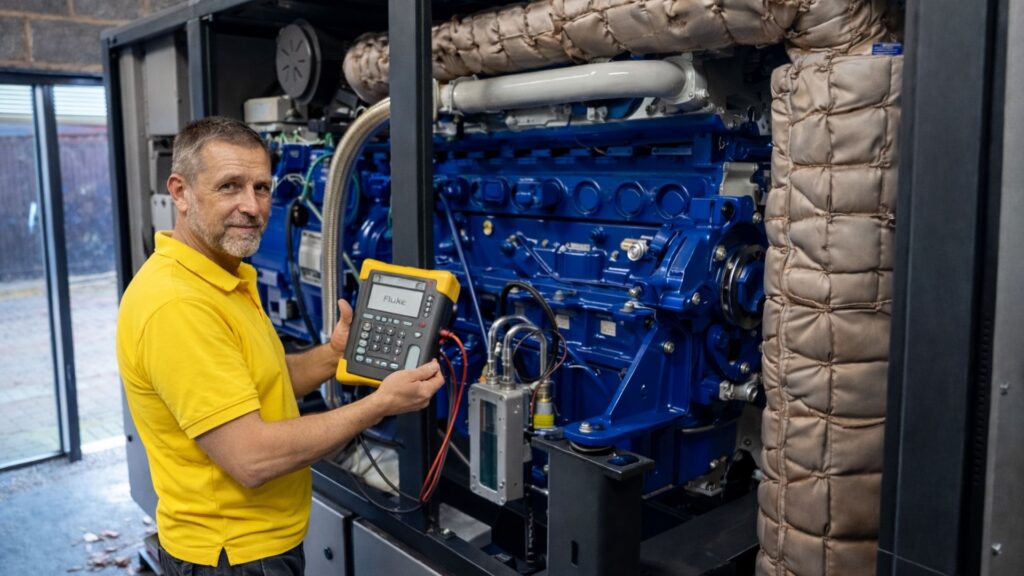
A CHP system typically uses an engine or turbine powered by fuels such as natural gas or biogas. As the engine generates electricity, heat is produced as a natural by-product. This heat is recovered and distributed to meet the building’s thermal demands, while the electricity is used on-site to power equipment and operations.
Because both outputs are used, CHP systems can achieve total efficiencies of up to 80–90%. For every 100 units of fuel consumed, a well-designed CHP system can deliver approximately 40 units of electricity and up to 45 units of usable heat. Achieving the same result using grid electricity and conventional boilers would require significantly more fuel, resulting in higher costs and emissions.
Why CHP Systems Are So Efficient
The high efficiency of CHP systems comes from two key principles. First, they maximise fuel utilisation by capturing heat that would otherwise be wasted. Second, they eliminate many of the losses associated with transmitting electricity across the national grid by generating power where it is needed.
These efficiency gains mean organisations can achieve the same energy output using less fuel, reducing both operating costs and environmental impact.
How CHP Helps Reduce Carbon Emissions
Because CHP systems use fuel more effectively, they require less primary energy to meet the same demand. This directly translates into lower carbon dioxide emissions when compared to separate heat and power generation.
For organisations working towards sustainability targets, net-zero commitments, or compliance with energy efficiency regulations, CHP provides a proven and suitable solution. It delivers immediate carbon reductions while supporting long-term environmental strategies.
The Importance of Correct CHP Sizing
Correct system sizing is necessary for the success of any CHP installation. CHP systems perform best when they operate continuously at or near their optimal load. Systems that are too large will cycle inefficiently, while systems that are too small will not deliver the full financial or environmental benefits.
At CHP System, every CHP unit is carefully sized based on heat demand, electrical load profiles, operating hours, and future energy requirements. When heat and electricity demands are well matched, CHP systems deliver maximum efficiency, reliability, and return on investment.
CHP Compared to Traditional Boilers and Grid Electricity
Although traditional boilers may appear less expensive at the point of installation, they offer limited long-term value. In a conventional setup, fuel is burned solely to produce heat, while electricity is purchased separately from the grid at fluctuating prices.
CHP systems take a more efficient and resilient approach by producing electricity and heat at the same time. This reduces dependence on grid electricity, lowers energy bills over the life of the system, and provides greater protection against rising energy costs.
Future-Ready CHP Technology
As energy systems evolve, CHP technology continues to adapt. Modern CHP systems are capable of operating on a range of fuels and can be designed to support the transition towards lower-carbon alternatives.
Many CHP installations are now compatible with biogas and hydrogen blends, with the potential for future operation on 100% hydrogen. At CHP System, we design future-ready CHP solutions that align with decarbonisation strategies while protecting long-term investments.
Why Choose CHP System?
Choosing the right technology is important, but choosing the right partner is essential. CHP System delivers adapted CHP solutions designed around real operational needs rather than generic specifications.
Our expertise covers the full project lifecycle, including feasibility studies, system design, installation, and ongoing maintenance. With experience across commercial and industrial sectors, we provide reliable CHP systems that support cost reduction, compliance, and sustainability objectives.
Book a CHP Consultation Today
Whether you are considering CHP for the first time or planning to upgrade an existing system, our specialists are ready to help. A consultation with CHP System will identify potential energy savings, carbon reduction opportunities, and the most suitable CHP solution for your organisation.
Book your CHP service today and take a confident step towards lower energy costs, reduced emissions, and a more efficient energy future.